

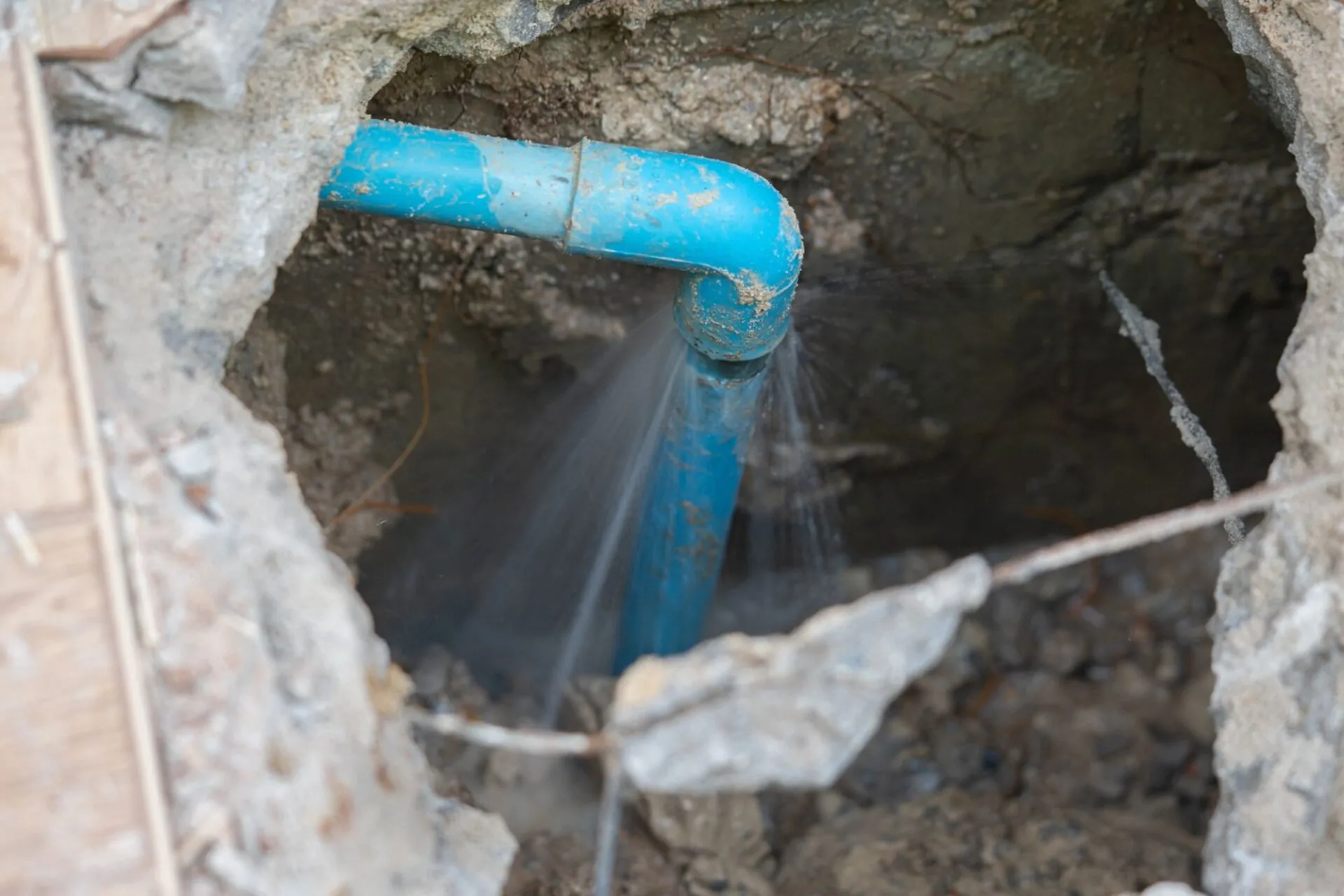
Plumbing leaks are one of the most common problems homeowners and property managers face. A small leak may seem harmless at first, but over time it can cause water damage, mold growth, higher utility bills, and expensive repairs. Knowing what causes plumbing leaks helps you prevent problems and protect your property.
This article covers the most common causes of plumbing leaks, how they happen, and why early detection and professional help are important. Understanding the causes, whether it’s a dripping faucet or hidden pipe damage, can help you save time, money, and stress.
Why Plumbing Leaks Should Never Be Ignored
Plumbing leaks do not go away on their own and usually get worse over time. A small leak can spread and cause damage behind walls or under floors. What starts as a drip can turn into structural problems, damaged floors, and mold.
Leaks also waste a significant amount of water if left unaddressed. Even a minor leak can result in the loss of hundreds or thousands of gallons of water each year, leading to higher utility bills and stressing your plumbing system.
Understanding what causes plumbing leaks helps property owners act early. Detecting issues early prevents costly repairs and extensive water damage. Staying on top of maintenance saves time and money over the long run.
Common Causes of Plumbing Leaks
1. Worn-Out Pipe Materials
One of the most common causes of plumbing leaks is the natural deterioration of pipes. Manufacturers do not design plumbing materials to last forever, and the lifespan depends on pipe type and surrounding conditions. As pipes age, they weaken and face a higher failure risk.
How Pipe Aging Causes Leaks
Over time, constant water pressure, temperature changes, and mineral buildup slowly wear down pipes. Older homes may still have galvanized steel or cast-iron pipes, which are especially vulnerable to corrosion. As deterioration continues, small cracks and pinhole leaks can form inside the pipe.
Hidden Damage from Aging Pipes
Aging pipes are more likely to experience joint failures and internal damage. These issues often develop out of sight, making them difficult to detect early. By the time leaks become visible, significant damage may already have occurred.
2. Corrosion and Rust
Corrosion causes many plumbing leaks, especially in metal pipes. Water chemistry, oxygen exposure, and mineral content affect how fast pipes deteriorate.
Signs of Corrosion-Related Leaks
Corroded pipes may show discoloration, flaking, or rust stains on the exterior. Inside the pipe, corrosion can restrict water flow and weaken the pipe walls, leading to leaks.
Corrosion-related leaks pose serious risks because they often impact multiple areas of the plumbing system. Once corrosion begins, it spreads quickly.
3. High Water Pressure
Excessively high-water pressure may feel convenient, but it can put serious stress on your plumbing system.
Why High Pressure Leads to Leaks
Manufacturers design pipes, joints, and fixtures for a specific pressure range. Consistently high water pressure loosens fittings and cracks pipes over time.
High pressure rarely causes immediate failure. It gradually weakens the system, raising the risk of sudden leaks or pipe bursts.
4. Faulty Pipe Joints and Connections
Pipe joints are natural weak points in any plumbing system. Over time, movement, temperature changes, and wear can cause joints to loosen or fail.
Common Joint Issues
- Poor installation
- Aging seals
- Shifting foundations
- Vibration from water flow
Even a small joint failure can result in steady leaks behind walls or under floors, where damage may go unnoticed for long periods.
5. Clogged Drains and Blockages
Clogs can cause slow drains and trigger plumbing leaks.
How Clogs Create Leak Risks
When a pipe becomes blocked, water pressure builds behind the clog. The pressure pushes water through weak points, joints, or small cracks in the pipe.
Common causes of clogs include grease buildup, hair, food debris, soap residue, and foreign objects. Left untreated, clogs can cause leaks and damage to pipes.
6. Temperature Changes and Frozen Pipes
Sudden temperature changes are another frequent cause of plumbing leaks, especially in colder climates.
What Happens When Pipes Freeze
When water freezes, it expands. This expansion puts intense pressure on pipes, often causing them to crack or burst.
Even if pipes do not burst right away, freezing weakens their structure. When the ice melts, leaks can appear in unexpected spots.
7. Poor Installation or Low-Quality Materials
Age does not cause all plumbing problems. In some cases, leaks occur because of improper installation or substandard materials.
Installation Issues That Lead to Leaks
- Incorrect pipe sizing
- Loose fittings
- Improper sealing
- Poor alignment
Cutting corners during installation may save time at first, but it often causes long-term problems. Professional installation prevents future leaks.
8. Worn-Out Fixtures and Appliances
Plumbing leaks do not always start in pipes. Fixtures and appliances connected to your plumbing system can fail over time.
Common Fixture-Related Leak Sources
- Faucets and handles
- Toilets
- Water heaters
- Dishwashers and washing machines
Rubber washers, seals, and hoses degrade with use. When these components wear out, leaks are often the result.
9. Tree Root Intrusion
In older properties with underground plumbing, tree roots can be a hidden cause of leaks.
How Roots Damage Pipes
Tree roots naturally seek moisture. Small cracks or joints in underground pipes attract roots, which grow into the pipes and expand, causing blockages, cracks, and, in some cases, complete pipe failure. Root-related leaks often need professional inspection and repair.
10. Foundation Shifts and Soil Movement
Buildings naturally settle over time, and changes in soil conditions can affect plumbing systems.
Why Shifting Causes Leaks
As foundations shift, pipes may bend, crack, or separate at joints, especially in areas with expansive soil or frequent moisture changes.
Leaks from foundation movement often start slowly and worsen if left unaddressed.
11. Hard Water and Mineral Buildup
Hard water contains high levels of minerals, such as calcium and magnesium, which can contribute to plumbing leaks.
Mineral Buildup Problems
Over time, minerals build up inside pipes, reducing water flow and raising pressure. The buildup weakens pipes and fixtures, making leaks more likely.
Hard water also shortens the lifespan of appliances and fixtures, increasing maintenance requirements.
12. Improper Use of Plumbing Systems
Sometimes leaks occur because users do not use plumbing systems correctly.
Common Usage Mistakes
- Flushing non-flushable items
- Pouring grease down drains
- Using chemical drain cleaners excessively
- Ignoring minor leaks
Small habits can lead to big plumbing problems over time. Proper use and routine maintenance go a long way in preventing leaks.
Warning Signs of a Plumbing Leak
Catching a leak early can prevent serious damage. Some common warning signs include:
- Unexplained increases in water bills
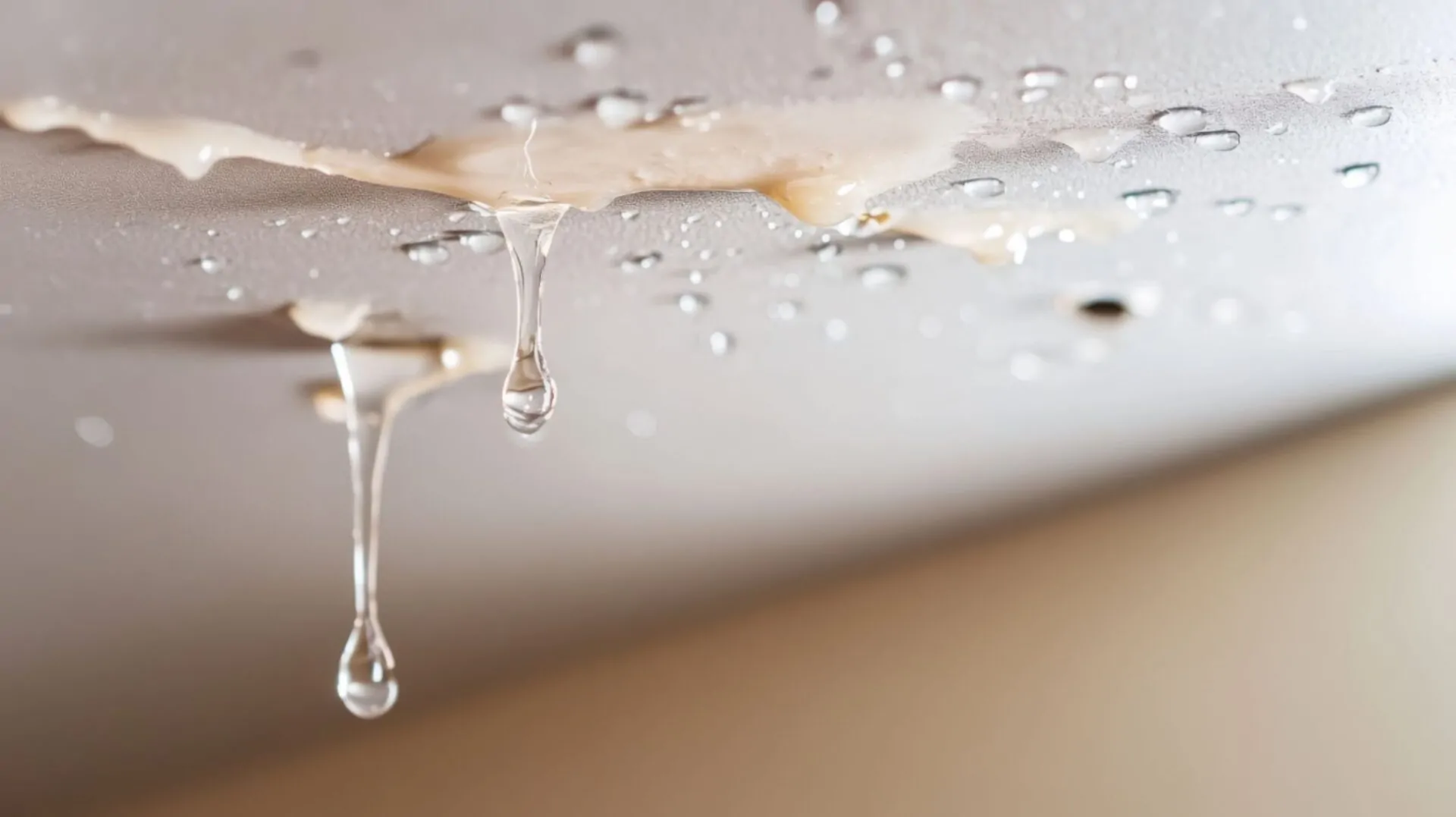
- Water stains on walls or ceilings
- Musty odors or mold growth
- Reduced water pressure
Sounds of running water when fixtures are off
If you notice any of these signs, it’s best to have your plumbing system inspected by a professional.
Why Professional Inspection Matters
Some minor leaks are easy to spot, but many plumbing leaks occur behind walls, under floors, or underground.
Professional plumbers use tools such as:
- Leak detection equipment
- Pressure testing
- Camera inspections
These methods accurately identify the source of leaks, preventing unnecessary repairs and further damage.
Preventing Plumbing Leaks Before They Start
Prevention is always more cost-effective than repair. Some simple steps can reduce the risk of plumbing leaks:
Schedule regular plumbing inspections
Regular plumbing inspections help identify small issues before they become major problems. A professional can spot hidden leaks, corrosion, or worn components early. Routine inspections support the long-term health of your plumbing system.
Monitor water pressure
Excessively high water pressure can put stress on pipes and fixtures. Monitoring pressure helps prevent cracks, joint failures, and unexpected leaks. Keeping pressure within a safe range protects your plumbing system over time.
Address small leaks promptly
Small leaks may seem minor, yet they often worsen if ignored. Fixing leaks early prevents water damage and cuts repair costs. Addressing leaks promptly also conserves water and lowers utility bills.
Insulate pipes in vulnerable areas
Pipes in unheated or exposed areas are more susceptible to temperature changes. Insulation helps protect pipes from freezing and cracking. This added layer of protection reduces the risk of seasonal plumbing issues.
Use quality fixtures and materials
Manufacturers design high quality fixtures and plumbing materials to last longer and perform more reliably. Inferior materials can wear out quickly, leading to frequent leaks. Investing in quality components helps reduce maintenance and repair needs.
Working with a trusted plumbing professional solves problems correctly the first time.
How Plumbing Leaks Impact Your Property
Leaks don’t just affect plumbing systems—they impact your entire property.
Potential consequences include:
Structural damage
Ongoing plumbing leaks can weaken walls, floors, and foundations over time. Water slowly erodes building materials, leading to warping and decay. If left untreated, structural repairs can become extensive and expensive.
Mold and mildew growth
Moist environments created by leaks provide ideal conditions for mold and mildew. These growths can spread quickly behind walls and under flooring. Mold not only damages property but can also affect indoor air quality.
Electrical hazards
Water from plumbing leaks can come into contact with electrical wiring and outlets, increasing the risk of short circuits, electrical damage, and fire hazards. Even small leaks can pose serious safety concerns.
Decreased property value
Visible water damage and ongoing plumbing issues can lower a property’s market value. Buyers are often cautious of properties with a history of leaks. Unresolved plumbing problems can make selling or renting more difficult.
Higher insurance claims
Water damage is one of the most common reasons for insurance claims. Repeated claims can lead to higher premiums or limited coverage. Addressing leaks early helps reduce long-term insurance costs.
Understanding the causes of plumbing leaks helps property owners take informed action before damage becomes extensive.
Conclusion
Several factors cause plumbing leaks, such as aging pipes and corrosion, high water pressure, and poor installation. Over time, some issues remain unavoidable, yet proper maintenance and early intervention prevent many leaks.
By knowing the common causes of plumbing leaks and recognizing early warning signs, homeowners and business owners can protect their property and avoid costly repairs. When in doubt, consulting a professional plumber is always a smart investment.
A well-maintained plumbing system not only saves money—it provides peace of mind.
Dealing With a Plumbing Leak and Not Sure Where to Start?
Canilu Air is here to help with trusted inspections and professional solutions designed to protect your home. Our experienced team makes it easy to identify issues early and restore peace of mind. Let our experts handle the problem before it becomes a bigger repair!
Call Canilu Air today to schedule your service or inspection.
📞 Call us: (602) 609-3480
📧 Email: [email protected]