

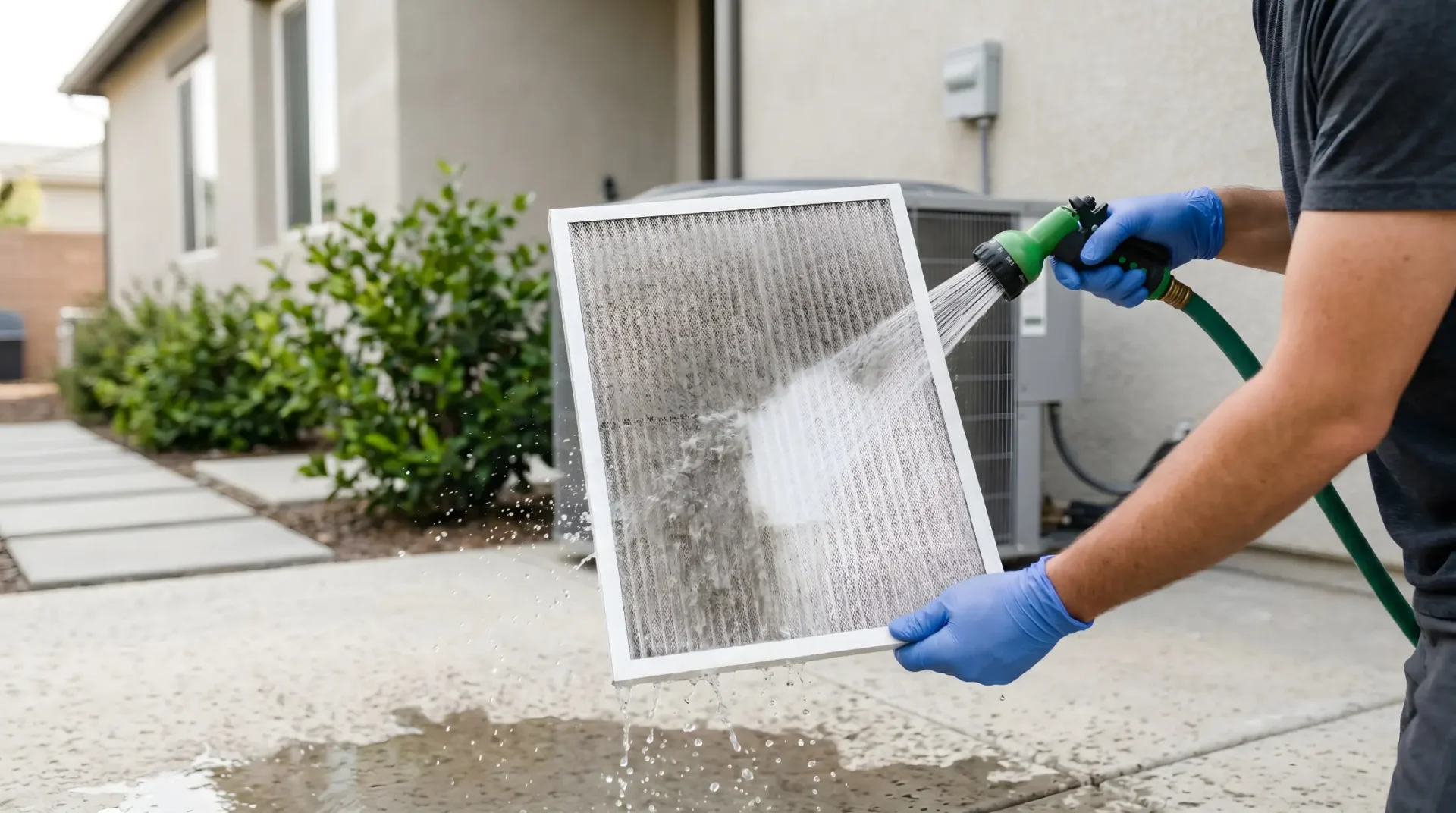
One of the simplest habits that protects your air conditioning system is also one of the most frequently overlooked. Ask any technician for AC maintenance tips, and Phoenix homeowners will almost always hear the same answer first: check the humble air filter. How often should you change your AC filter in Phoenix homes? The answer matters more here than it does in most other climates, and it comes down to more than guesswork.
Why Filter Replacement Matters So Much in Arizona
Arizona’s dust load is genuinely different from most of the country. Fine desert dust and seasonal monsoon dust both work their way into HVAC systems faster than the pollen and debris typical of more humid regions, which means filters here clog faster too. A clogged filter doesn’t just get dirty and stop doing its job quietly, it restricts airflow across the coil, forcing the blower motor to work harder and the system to use more energy to move the same amount of air.
That airflow restriction is the mechanism behind most of the problems people associate with AC filter replacement: higher bills, weaker cooling, and in bad cases, a frozen evaporator coil. When airflow drops low enough, the coil’s surface temperature can fall below freezing, causing condensation on it to turn to ice instead of draining away. Once that happens, the system needs a full thaw and inspection before it can run properly again, which is a far more expensive fix than a filter that costs a few dollars.
How Often, Based on Your Actual Household
There isn’t one universal number for how often should you change your AC filter in Phoenix homes, but there is a solid starting range. A standard one-inch filter typically needs replacement every thirty to sixty days during Arizona’s peak cooling season, when systems run nearly continuously. Thicker, higher-efficiency pleated filters can sometimes stretch to ninety days, since their folded design gives dust more surface area to collect on before airflow suffers, though this varies by brand and specific filter design.
A few household factors push that schedule toward the shorter end:
- Pets in the home. Shedding adds to the dust and debris the filter has to trap.
- Anyone with allergies. More frequent changes keep airborne particle levels lower.
- Near-continuous summer runtime. More air moving through the filter means faster buildup, regardless of filter type.
If any of these apply, checking monthly, regardless of the filter’s stated lifespan, is the safer habit rather than trusting the package label alone.
Getting the Filter Itself Right: Type, MERV Rating, and Size
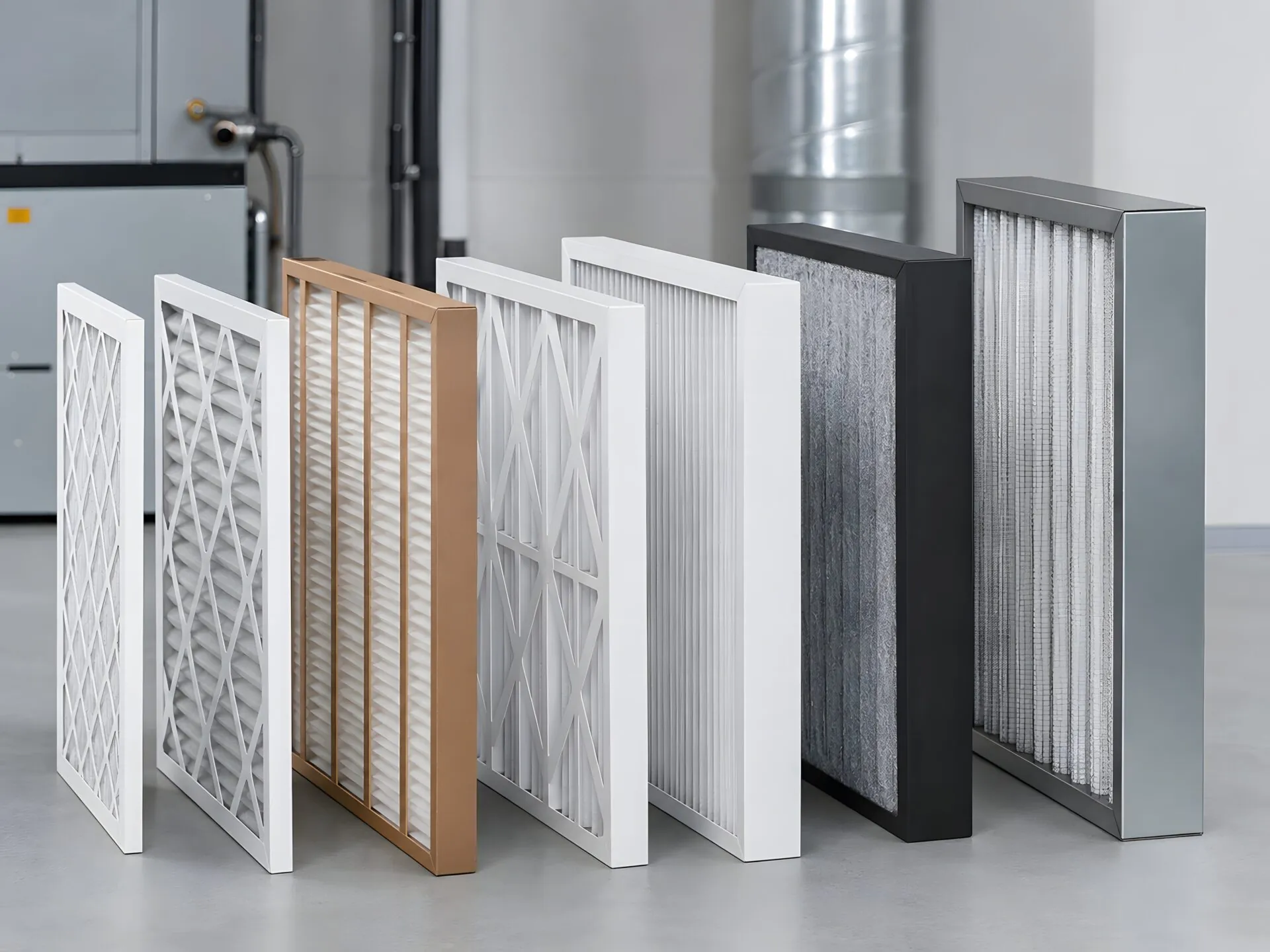
Not all filters are interchangeable, and the choice affects both your replacement schedule and your system’s performance:
- Basic fiberglass filters are inexpensive but need replacement more often, since they hold less dust before airflow suffers.
- Pleated or electrostatic filters cost more upfront but last longer and generally filter finer particles, which can offset the higher price over a year of use.
- MERV rating measures how effectively a filter captures dust, pollen, and other particles. Higher isn’t automatically better here: a MERV rating too high for your system can restrict airflow the same way a clogged filter does, so matching the rating to your specific equipment matters more than maximizing it.
- Incorrect filter size lets unfiltered air bypass the filter around its edges entirely, which defeats the purpose of having one installed at all, even a brand-new one.
Canilu Air can confirm the right size and a MERV rating suited to your specific system during a maintenance visit, since guessing on either one tends to cause the exact problems a filter is supposed to prevent.
Making the Habit Easier to Keep
A few small adjustments make this task far easier to stay on top of than trying to remember it manually every month:
- Set a recurring monthly reminder. A simple phone alert is often enough to keep a filter from being forgotten during a busy Arizona summer.
- Use smart thermostat runtime tracking. Many smart thermostats include filter reminder notifications based on actual system runtime hours rather than a flat calendar interval, which adapts automatically to how hard your system has been working.
- Note your filter’s location. Awkward or hard-to-reach filter locations are a common, quiet reason homeowners fall behind on replacements without realizing it.
- Consider a filter subscription. Some providers now deliver the correct size filter on a recurring schedule automatically, which removes the task from your to-do list entirely.
- Ask about recycling. Certain filter materials can be recycled rather than thrown out with household trash, if that matters to your household.
What Happens When Filters Get Skipped
This single habit, more than almost any other, shows up directly in summer service calls. A severely clogged filter restricting airflow enough to freeze the evaporator coil is one of the most common issues technicians trace back to a missed filter change, and it’s also one of the most preventable. Beyond the risk of a frozen coil, running on a clogged filter for months at a time quietly raises energy bills and shortens the system’s expected lifespan, since the compressor and blower motor are both working harder than they should need to for the entire time.
Conclusion
So, how often should you change your AC filter in Phoenix? Check a standard one-inch filter every thirty to sixty days during peak season, lean toward the shorter end if you have pets, allergies, or a system that runs nearly nonstop, and confirm you’re using the correct size and a reasonable MERV rating for your equipment. It’s a small habit, but it’s the one most directly tied to avoiding an expensive summer service call.