

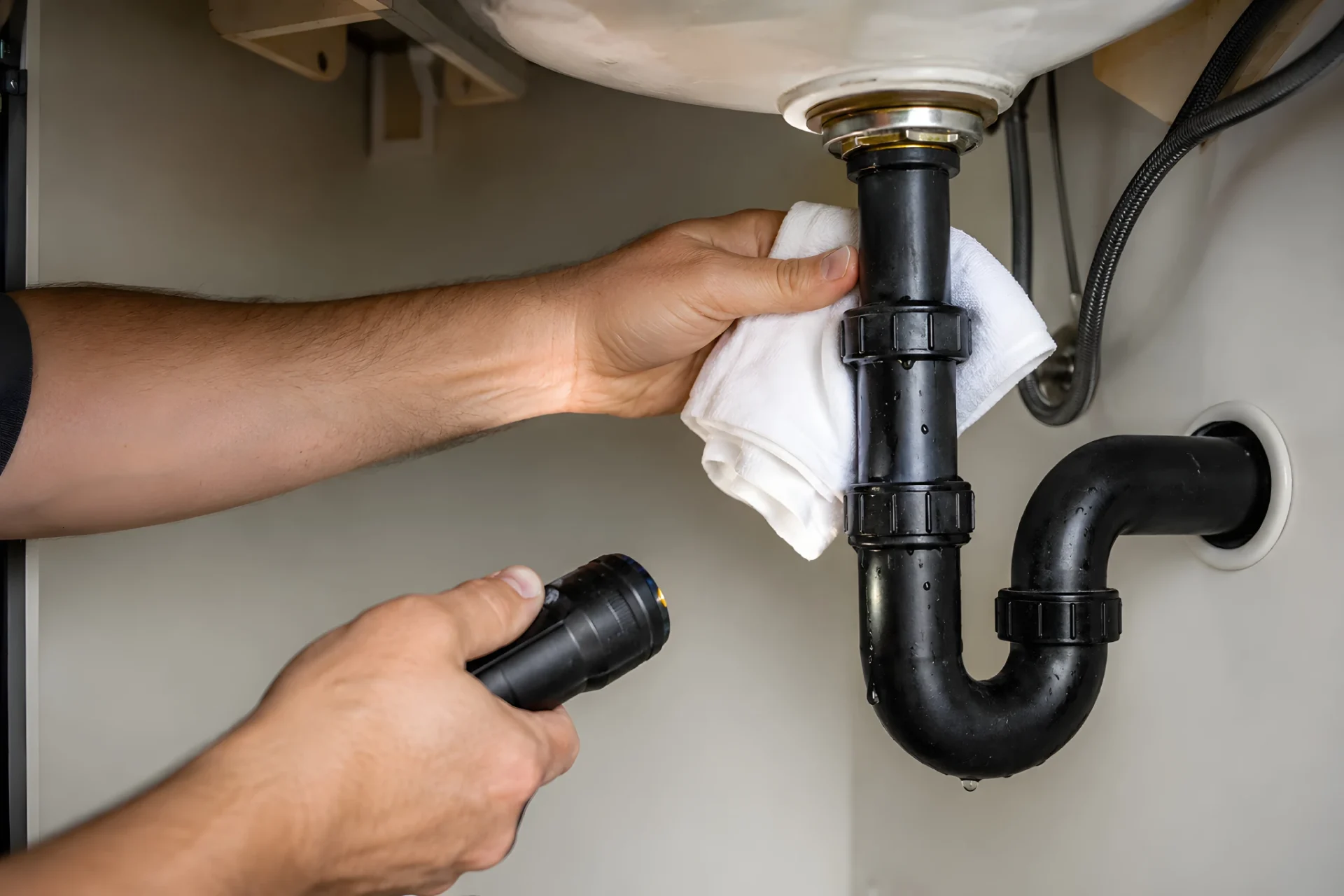
How to Spot Common Plumbing Leaks in Arizona Homes
The most common signs of a plumbing leak are an unexplained rise in your water bill, the sound of running water when everything is off, damp spots or stains on walls and ceilings, musty odors, and a water meter that keeps moving when no one is using water. Plumbing leaks in Arizona homes can be harder to catch than in other regions, because hard water, high water pressure, and slab foundations all hide or accelerate problems. This guide shows how to spot leaks early, test for them at home, and know when to call a plumber.
What Are the Most Common Signs of a Plumbing Leak?
Most leaks announce themselves before they cause major damage, if you know what to look for. Watch for:
- A higher water bill: a jump with no change in how much water you use
- Running or dripping sounds: noise from walls or floors when all fixtures are off
- Damp or stained surfaces: discoloration, bubbling paint, or warped baseboards and flooring
- Musty odors: a persistent smell that suggests moisture or mold behind a surface
- Low water pressure: a drop in pressure that appears suddenly at several fixtures
- A moving water meter: the meter keeps registering use when everything is shut off
One sign alone may have another explanation, but two or more together deserve a closer look.
Trust Your Senses
Bills, sounds, stains, and smells give leaks away early. Two or more signs together mean it is time to investigate.
Why Are Plumbing Leaks Common in Arizona Homes?
Arizona’s water and building conditions create risks that are less common elsewhere. Three factors stand out:
- Hard water: Phoenix-area water carries high mineral content, and the buildup can clog fixtures, strain water heaters, and wear on pipes and seals over time
- Slab foundations: many homes are built on concrete slabs with pipes beneath or within them, so leaks there stay out of sight
- High water pressure: supply pressure that runs too high stresses pipes, joints, and fixtures
Outdoor lines add another layer. Irrigation systems, hose bibs, and exposed pipes face intense heat and sun, and occasional winter cold snaps can damage unprotected lines. None of these guarantees a leak, but each is a reason to check regularly.
Know Your Local Risks
Hard water, slab foundations, and high pressure make Arizona leaks harder to see. Regular checks matter more here.
How Do You Check for a Leak Using Your Water Meter?
A water meter test is the simplest way to confirm a hidden leak. It works because the meter measures all water entering the home, so any movement with everything off means water is escaping somewhere. Follow these steps:
1. Turn off all water use: shut off faucets, appliances, the ice maker, and irrigation
2. Locate your water meter: it is usually in a box near the street or curb
3. Read the meter or check the leak indicator: many meters have a small dial or triangle that spins when water is flowing
4. Wait 15 to 30 minutes without using any water, then check again
5. Compare readings: if the number changed or the indicator is still moving, you likely have a leak
If the meter is moving, the leak could be inside the home, under the slab, or in the line between the meter and the house.
Let the Meter Tell You
Shut off all water and watch the meter. Any movement means water is escaping somewhere.
How Do You Find a Leaking Toilet?
Toilets are one of the most common sources of hidden water waste, and they often leak silently into the bowl. A dye test shows whether the tank is leaking:
1. Remove the tank lid and add a few drops of food coloring to the tank water
2. Do not flush for 10 to 15 minutes
3. Look in the bowl, and if color appears, water is leaking past the flapper
A worn flapper is the usual cause and is often a quick repair. Other signs include a toilet that runs or refills on its own, a hissing sound, or a bowl that periodically drains a little water. Hard water minerals can also keep the flapper from sealing properly.
Color Never Lies
A few drops of food coloring reveal a silent toilet leak. Color in the bowl means the flapper needs attention.
What Are the Signs of a Slab Leak?
A slab leak is a leak in pipes beneath or within a concrete foundation, and it can go unnoticed for a long time. Common warning signs include:
- Warm or hot spots on the floor: often caused by a leaking hot water line
- Sound of running water with all fixtures off
- Unexplained spikes in your water bill
- Damp carpet or flooring in a spot with no obvious source
- Cracks in walls or flooring, or pooling water near the foundation
Slab leaks can damage flooring and the foundation itself if they continue, so they should be evaluated promptly. Leak detection equipment can locate the source without tearing up the floor, which is why professional help matters here.
Look Down, Not Just Up
Warm floors, running sounds, and unexplained bills point to slab leaks. Call a professional for detection.
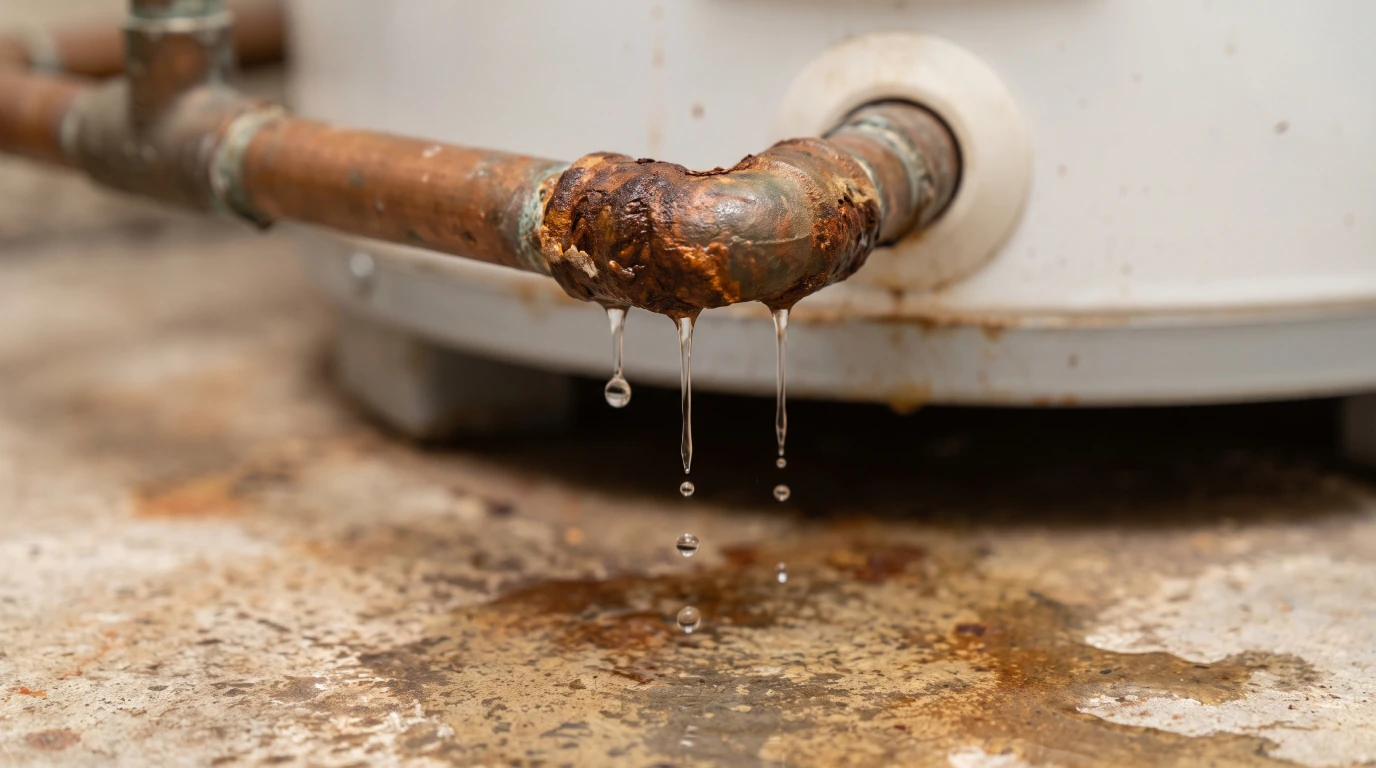
Where Else Do Leaks Hide Around the House?
Many leaks start in places people rarely check. Inspect these areas on a regular schedule:
- Under sinks: look for moisture, rust, or swelling in cabinet floors
- Water heater: check the base and connections for water, and watch for rust or sediment
- Washing machine and dishwasher hoses: inspect for bulges, cracks, or dampness
- Refrigerator and ice maker lines: small supply lines can drip behind appliances
- Showers and tubs: deteriorated caulk or valves let water into walls
- Outdoor spigots and irrigation: wet soil or lush patches can point to a buried leak
A water heater that leaks from the tank itself usually needs replacement, since tank corrosion is not repairable. Hard water sediment can speed that process, so flushing guidance from a plumber is worthwhile.
Check the Overlooked Spots
Sinks, heaters, hoses, and irrigation hide small leaks. A quick routine check catches them early.
How Does High Water Pressure Cause Leaks?
Water pressure that is too high puts constant stress on pipes, joints, and fixtures. Over time, that stress can open leaks at connections and shorten the life of appliances.
Most homes run well at moderate pressure, and plumbing codes generally set a maximum around 80 psi. A pressure reducing valve, usually near where the main line enters the home, regulates this and can wear out over time.
Signs of excess pressure include banging pipes, fixtures that spray forcefully, and leaks that keep returning. A plumber can test pressure with a simple gauge and replace the valve if needed.
Pressure Is a Quiet Culprit
Too much pressure strains every joint. Test it and replace a worn regulator before leaks multiply.
What Should You Do When You Find a Leak?
Act quickly to limit damage. A short sequence helps:
1. Shut off the water: use the shutoff valve at the fixture, or the main valve if the leak is serious or hidden
2. Limit damage: move belongings, soak up standing water, and run fans to dry the area
3. Document the damage: take photos and notes for insurance
4. Call a plumber: schedule repair before damage spreads
Know where your main shutoff valve is before you need it. Finding it during an emergency wastes time, and every minute of flowing water adds to the damage.
Stop the Flow First
Shut off the water, dry the area, and photograph the damage. Know your main valve before an emergency.
When Should You Call a Plumber Instead of Fixing It Yourself?
Simple fixes such as replacing a toilet flapper or tightening a supply line are reasonable for many homeowners. Call a professional when the problem is hidden, serious, or recurring:
- Suspected slab leak: warm floors, running sounds, or unexplained bills
- Leaks inside walls or ceilings: the source is out of reach
- A meter that moves with everything off: the leak location is unknown
- Repeated leaks: the underlying cause, such as pressure, needs diagnosis
Canilu Air provides plumbing and HVAC service across the Phoenix Metro, and technicians can locate leaks and recommend repairs. Call 602-609-3480 to schedule an inspection.
Know When to Hand It Off
DIY works for simple fixes. Hidden, serious, or repeated leaks need a professional.
How Often Should You Inspect Your Home for Leaks?
Check for leaks a few times a year and after any change in water use or bills. A short routine catches problems before they become damage. A practical schedule includes:
- Monthly: glance under sinks and check for new stains or odors
- Seasonally: run the toilet dye test, inspect appliance hoses, and check outdoor spigots and irrigation
- Annually: run the water meter test and have a plumber check pressure and the water heater
Compare each water bill to the previous month and the same month last year, since a gradual rise can signal a slow leak.
Small Checks, Big Savings
A quick routine finds leaks before they become repairs. Compare bills and check key spots regularly.
Frequently Asked Questions
How can I tell if I have a plumbing leak?
Look for an unexplained rise in your water bill, the sound of running water when everything is off, damp spots, musty smells, or a water meter that moves with all water off. If you notice two or more of these, test the meter and inspect likely spots.
What is a slab leak, and how do I know if I have one?
A slab leak is a leak in pipes beneath or within a concrete foundation. Warm floor spots, running sounds with fixtures off, and unexplained bills are common signs, and a plumber can locate the leak with detection equipment.
Can hard water cause leaks in Arizona homes?
Yes, indirectly. Mineral buildup can clog fixtures, wear on seals, and strain water heaters, which makes leaks more likely over time.
How much does a plumbing leak cost if I ignore it?
Costs grow with time. Water damage to flooring, drywall, and cabinets, along with possible mold and higher water bills, usually exceeds the cost of an early repair.
Canilu Air
NATE-Certified • Serving 19 Cities Across Phoenix Metro
Call Canilu Air at 602-609-3480 to schedule a plumbing leak inspection.