

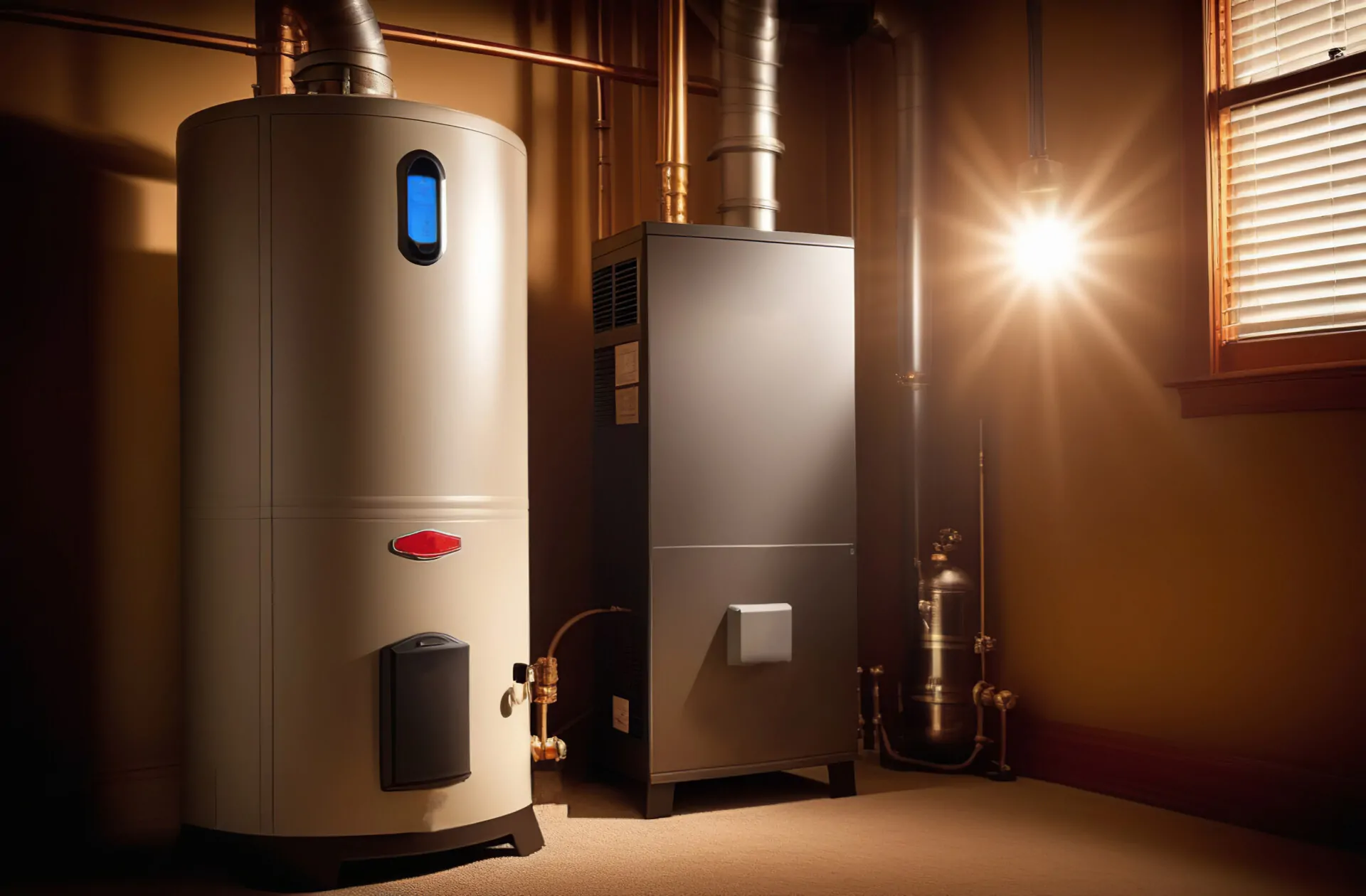
Your furnace is the heart of your home or business’s heating system. It keeps you comfortable during cold months, ensuring consistent warmth and indoor air quality. But like any machine, furnaces experience wear and tear over time. Small issues can quickly escalate into costly repairs—or even full replacements—if not addressed early.
The good news is that most furnace problems are preventable. With regular maintenance, you can extend your furnace’s lifespan, improve energy efficiency, and maintain consistent performance all year long.
Common Furnace Problems and Prevention Tips
1. Dirty or Clogged Air Filters
One of the most common furnace problems is a clogged air filter. Over time, dust, dirt, and debris accumulate, blocking airflow and forcing your furnace to work harder to heat your space. It not only decreases efficiency but can also cause overheating and premature wear on internal components.
Prevention Tips:
- Replace or clean filters every 1–3 months, depending on usage and filter type.
- Use high-efficiency filters that trap smaller particles for better air quality.
- Schedule seasonal HVAC maintenance to ensure filters and ducts remain clean.
2. Inconsistent Heating or Cold Spots
If some rooms feel warm while others stay chilly, your furnace may be suffering from air leakage or poor ductwork design. Leaks in the duct system allow warm air to escape before it reaches its intended destination, wasting energy and creating uneven temperatures.
Prevention Tips:
- Have your ductwork inspected and professionally sealed to eliminate leaks.
- Ensure air vents and registers are unobstructed by furniture or drapes.
- Balance airflow with the help of a certified HVAC technician.
3. Faulty Thermostat
A malfunctioning thermostat can cause your furnace to turn on and off at the wrong times or fail to maintain a stable temperature. It often results from calibration issues, dead batteries, or wiring problems.
Prevention Tips:
- Replace thermostat batteries annually.
- Schedule professional calibration checks.
- Upgrade to a programmable or smart thermostat for better accuracy and control.
4. Noisy Operation
Banging, rattling, or squealing noises typically indicate mechanical issues, such as loose belts, damaged bearings, or airflow obstructions. Ignoring these sounds can lead to costly repairs later.
Prevention Tips:
- Schedule annual tune-ups to catch wear-and-tear early.
- Tighten any loose panels or parts.
- Have ducts inspected—leaky or poorly sealed ducts often cause whistling or vibration noises.
5. Pilot Light or Ignition Problems
Modern furnaces rely on electronic ignition systems, while older models use standing pilot lights. Dirty sensors, gas flow issues, or drafts around the furnace area cause the pilot to go out or the electronic ignition to fail.
Prevention Tips:
- Clean flame sensors regularly (or have a technician do it).
- Ensure your gas line is functioning safely.
- Seal cracks or gaps near the furnace area that could create airflow disruptions.
6. Blower Motor Failure
The blower motor circulates heated air throughout your home. When it fails, you’ll notice weak airflow or no air movement at all. Causes may include overheating, dirty components, or electrical faults.
Prevention Tips:
- Lubricate motor bearings if applicable.
- Replace worn belts.
- Keep the furnace and ducts clean to prevent dust buildup.
7. Carbon Monoxide Leaks
One of the most dangerous furnace problems is a carbon monoxide (CO) leak, often caused by cracks in the heat exchanger or poor ventilation. Because CO is colorless and odorless, it can go undetected without proper monitoring.
Prevention Tips:
- Install carbon monoxide detectors near bedrooms and furnace areas.
- Have your furnace inspected annually for heat exchanger cracks.
- Seal any air leaks that could disrupt proper exhaust venting.
8. Short Furnace Lifespan
A furnace should last 15–20 years with proper maintenance. However, lack of cleaning, air leaks, and neglect can drastically shorten its life expectancy.
Prevention Tips:
- Schedule biannual maintenance (before and after heating season).
- Have ducts and connections professionally sealed.
- Replace worn components early to avoid system strain.
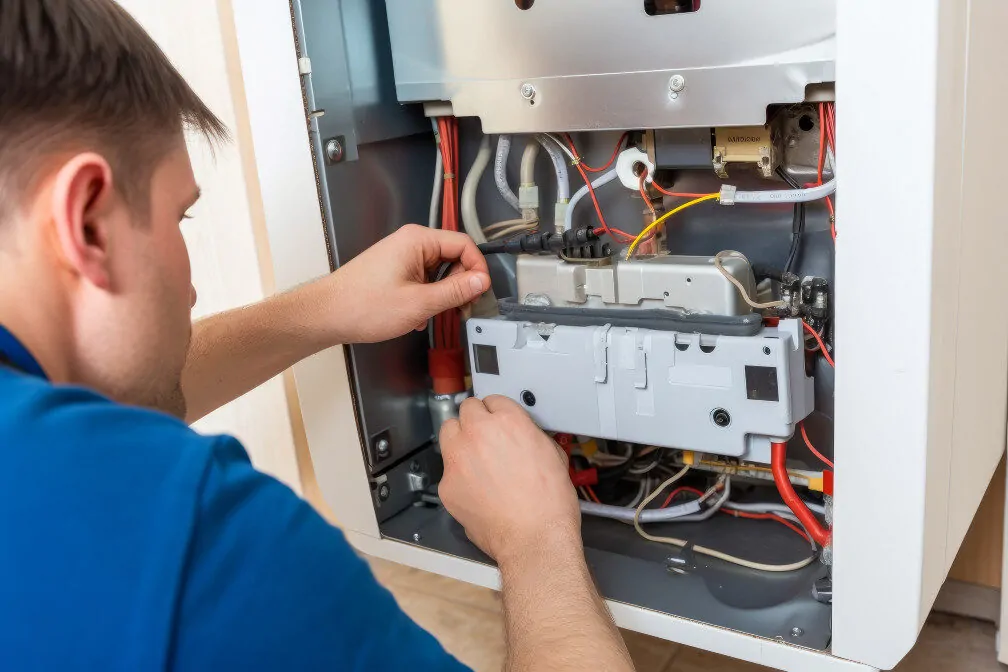
Key Benefits of Professional Furnace Maintenance Services
1. Improved Energy Efficiency
Regular furnace maintenance helps ensure all components are clean, lubricated, and functioning correctly. A well-maintained furnace doesn’t have to work as hard to heat your home, which means it consumes less energy and lowers your utility bills. Technicians also check airflow and calibrate the thermostat to enhance performance.
2. Enhanced Heating Performance
Professional servicing improves your furnace’s ability to distribute heat evenly throughout your home. Technicians inspect and adjust critical components, such as burners, flame sensors, and filters, ensuring your system operates at peak efficiency even during the coldest months.
3. Reduced Repair Costs
Routine inspections can catch small issues before they escalate into costly repairs. For instance, a technician can identify worn belts, clogged filters, or faulty wiring early—saving you from expensive emergency service calls or full system breakdowns.
4. Extended Equipment Lifespan
Regular cleaning and service help your furnace last longer. When you prevent component wear and keep the system efficient, you extend its life and get more value from your investment.
5. Improved Indoor Air Quality
Dust, debris, and allergens can accumulate in your furnace and ductwork over time. Professional maintenance includes cleaning or replacing filters and removing buildup that could circulate pollutants through your home—promoting healthier air for your family.
6. Increased Safety
Gas furnaces pose safety risks when not maintained. Technicians inspect for gas leaks, carbon monoxide, and proper ventilation to ensure your system remains safe. Proper care lowers the risk of exposure and fire hazards.
7. Maintained Warranty Compliance
Many manufacturers require proof of regular professional maintenance to maintain valid warranty coverage. Annual service keeps your warranty active and protects you from unexpected repair or replacement costs.
8. Peace of Mind
Finally, regular maintenance gives you confidence that your furnace will work when you need it. It reduces sudden breakdowns and keeps your home comfortable through the winter.
Conclusion
Regular awareness of common furnace problems helps homeowners prevent unexpected breakdowns and costly repairs. By addressing issues like uneven heating, strange noises, or reduced efficiency early, you ensure your system runs smoothly when you need it most. Investing in professional furnace maintenance not only protects your comfort but also extends your system’s lifespan and saves you money over time.
Keep your furnace running at peak performance.
Contact Canilu Air for professional HVAC maintenance services that help prevent breakdowns, reduce energy costs, and improve comfort.
📞 Call us: (602) 609-3480
📧 Email: [email protected]