

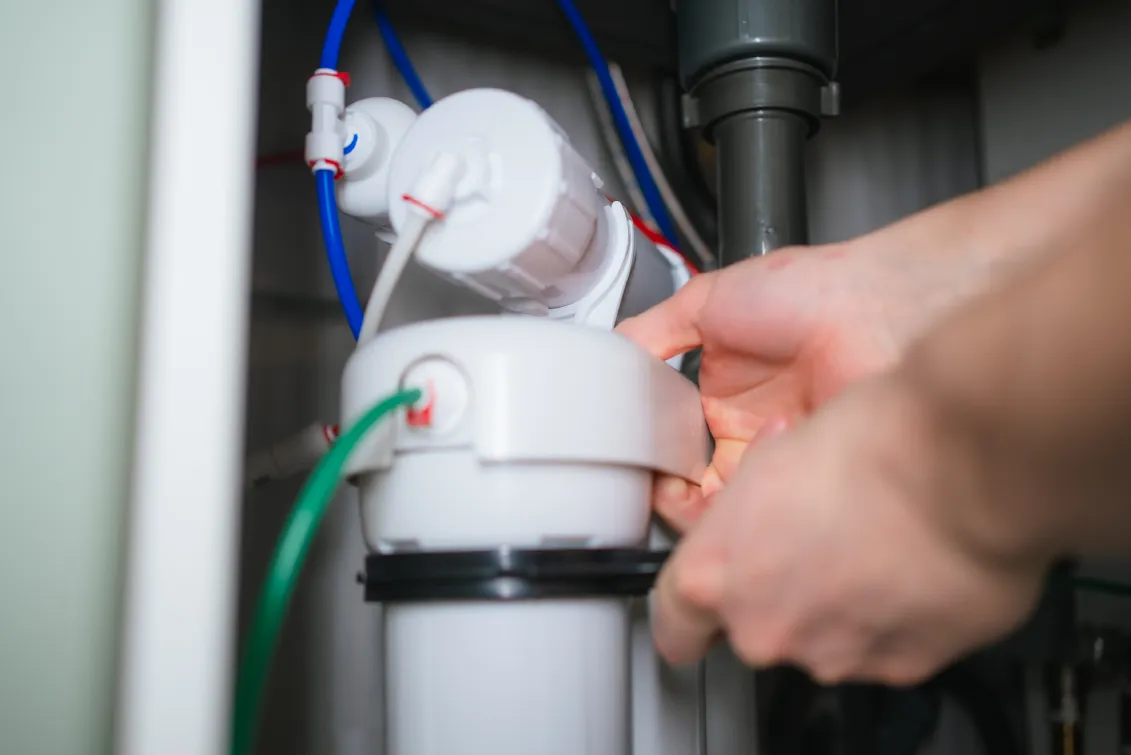
Reverse Osmosis Systems Explained: Better Water Quality for Arizona Homes
Arizona’s water supply carries a reputation for hardness and mineral taste that many longtime residents have simply learned to live with. A reverse osmosis system addresses these issues directly at the source rather than masking them with a pitcher filter or getting used to the taste over time. It’s a technology that’s been available for decades, but the specifics of how it works, and whether it actually makes sense for a given household, often get lost in generic marketing language. This guide covers how the technology actually works, how installation and maintenance play out, and how to know whether it’s the right fit for a specific household.
What a Reverse Osmosis System Phoenix Actually Does
Reverse osmosis works by pushing water through an extremely fine semi-permeable membrane that filters out contaminants and dissolved minerals at a molecular level. That’s a meaningfully finer filtration process than what a standard pitcher filter or basic faucet attachment can achieve, since those methods rely on activated carbon to trap larger particles rather than filtering at the molecular scale.
A few things worth understanding about how and why this matters specifically for Phoenix Metro homes:
- Regional water hardness. Phoenix Metro’s water supply carries notably high mineral content, which is reflected directly in the volume of local requests for improved drinking water quality.
- Molecular-level filtration. The membrane addresses dissolved minerals and certain contaminants that basic filters simply pass through.
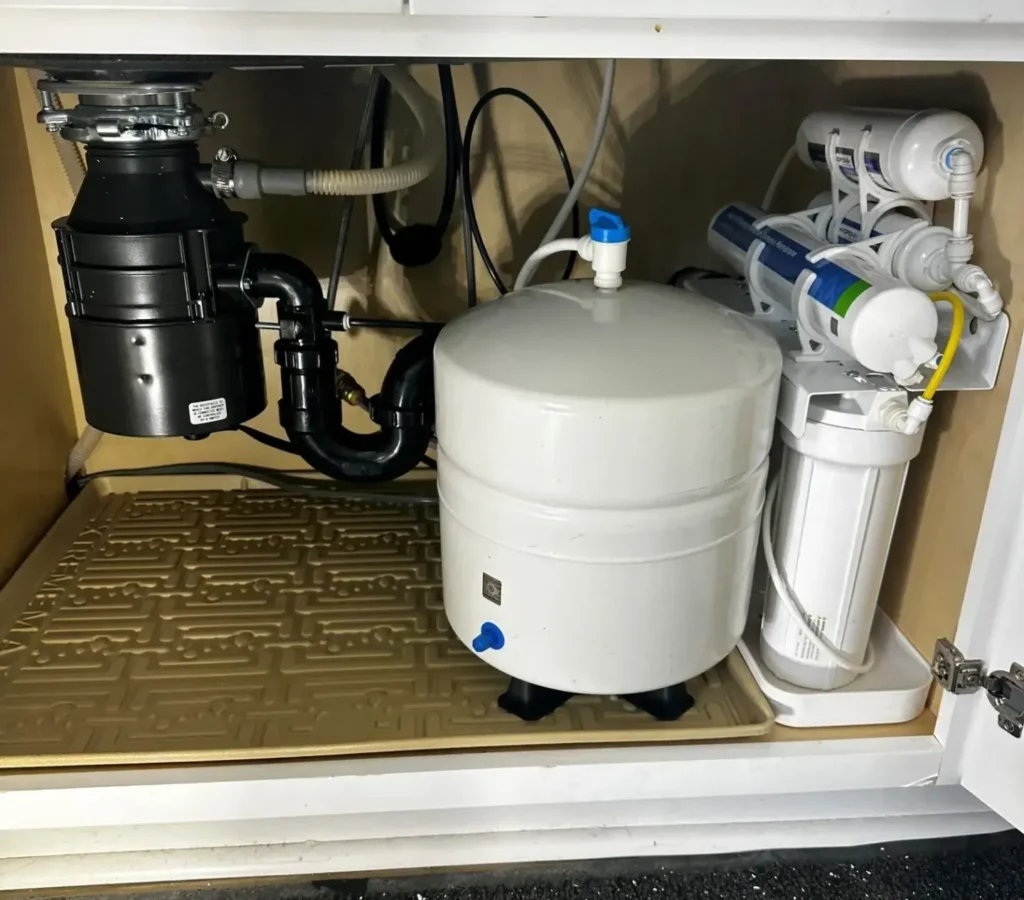
- Point-of-use installation. Most residential systems install under the kitchen sink with a dedicated filtered water faucet, treating water right where it’s used rather than treating the whole home’s supply.
- Beyond taste. Some households want reduced exposure to specific contaminants that reverse osmosis addresses at the point of use, not just improved flavor.
Filtration by the Numbers
A pitcher filter catches what it can see, reverse osmosis catches what it can’t. That difference in scale is exactly why RO handles Phoenix’s mineral-heavy water where basic filters fall short.
How Installation and Filtration Actually Work
A typical RO system installation involves connecting the unit to existing under-sink plumbing and installing a dedicated filtered water faucet. Most residential installations complete within a few hours, which keeps disruption to a kitchen and daily routine to a minimum.
Once installed, a system typically works through several distinct stages before water reaches the faucet:
- Sediment pre-filtration. Removes larger particles like sand, rust, and dirt before water reaches the membrane, protecting it from premature wear.
- Carbon filtration. Reduces chlorine and other compounds that can affect taste and odor.
- The RO membrane itself. Filters dissolved minerals and contaminants at the molecular level, the core of the system’s filtration power.
- Storage tank. A small tank holds filtered water ready for immediate use rather than filtering water on demand each time it’s needed, so the faucet delivers water instantly instead of on a delay.
- Optional polishing filter. A final carbon stage some systems include right before the faucet, refining taste just before use.
Systems require periodic filter replacement, typically every six to twelve months depending on household water usage and the specific system installed. Neglecting that schedule allows the membrane to gradually become less effective, which is a slow decline rather than an obvious failure, making it easy to miss without a reminder system in place. A recommended schedule set up specifically for a household’s system and usage pattern tends to catch this far more reliably than a general calendar reminder alone.
The Tank Does the Waiting, Not You
A storage tank means filtered water is ready the instant the faucet turns on, no waiting for the membrane to catch up in real time. It’s a small detail that makes the whole system feel effortless day to day.
Comparing RO Systems to Other Filtration Options
Pitcher filters and basic faucet attachments improve on unfiltered tap water, but they can’t match reverse osmosis filtration’s thoroughness at the molecular level. Understanding how RO compares to other common options helps a household choose the solution that actually matches its priorities, rather than defaulting to whichever product is easiest to find at a hardware store.
- Pitcher and faucet filters. Lowest cost and easiest to install, but limited to reducing chlorine taste and larger particles rather than addressing dissolved minerals.
- Whole-home water softeners. Address hardness throughout an entire house, including appliances and plumbing, but don’t specifically filter drinking water at the point of use the way an RO system does.
- Reverse osmosis systems. Deliver the most thorough filtration at a single tap, typically the kitchen sink, and are often combined with a whole-home softener for households wanting both broad hardness treatment and highly filtered drinking water.
Reverse osmosis systems represent a moderate upfront investment, and many households find the ongoing filter replacement cost genuinely comparable to what they previously spent on bottled water alone, which shifts the calculation from “added expense” to “different allocation of an expense already being paid.” Transparent, upfront pricing for both installation and ongoing filter service helps households budget accurately rather than being surprised by maintenance costs later.
Different Tools, Different Jobs
A softener treats the whole house, a pitcher filter treats a glass at a time, and RO treats what actually goes in your body. Most Phoenix households end up choosing based on which of those three problems bothers them most.
Signs a Household Might Benefit, and Sizing Considerations
A few practical signs tend to point toward reverse osmosis being worth considering for a specific household:
- Noticeable mineral taste. A metallic or chalky taste in tap water is one of the most common reasons households look into RO filtration.
- Visible mineral buildup. Scale accumulation on faucets, showerheads, and glassware is a visible sign of the same hardness affecting drinking water.
- Heavy bottled water spending. Households already buying bottled water regularly for taste reasons often find an RO system offsets that ongoing cost over time.
- Larger or multi-generational households. Homes with heavier daily water use, or a layout with a secondary kitchen or bathroom sink, sometimes benefit from a second filtered faucet rather than relying on a single point of access.
A couple of sizing and configuration details worth understanding before installation:
- Wastewater. Reverse osmosis systems produce a small amount of wastewater as part of the filtration process itself, and water-efficient models are available for households that want to minimize this.
- Water pressure. A properly sized system maintains consistent pressure at the dedicated faucet even during regular household use, so undersizing a system for actual household demand can lead to a noticeably weaker flow at the tap.
An honest assessment of a household’s specific water concerns, rather than a default recommendation, is what actually determines whether the investment fits the situation.
The Signs Are Usually Obvious
Chalky taste and scale on the faucet aren’t subtle, they’re a household’s water quality already telling on itself. The harder part isn’t spotting the signs, it’s sizing the right system once you have.
Getting the Most Out of an RO System Over Time
Following a recommended filter replacement schedule consistently is the single most important factor in maintaining water taste quality over the life of a system. Beyond that basic maintenance, a few things shape how a household experiences the system day to day:
- Everyday improvements. Filtered water noticeably improves the taste of coffee, tea, and ice made using kitchen tap water, an everyday benefit that often surprises households who didn’t initially expect it.
- System tiers. RO systems range from basic multi-stage units to more advanced systems with additional remineralization or UV treatment stages, and understanding which tier actually matches a household’s needs avoids paying for features that won’t add meaningful value.
- Winning over a skeptical household. A simple side-by-side taste test between filtered and unfiltered tap water tends to demonstrate an RO system’s value more convincingly than any amount of explanation on its own.
- Reminder systems. Setting up a reminder for filter replacement removes the risk of the schedule slipping unnoticed, since a gradually degrading membrane doesn’t announce itself the way a full system failure would.
Consistency Is the Whole System
An RO system’s value isn’t a one-time installation event, it’s the filter schedule that gets followed for years afterward. Skip the maintenance and the same system that once impressed a skeptical spouse slowly loses that edge.
Frequently Asked Questions
How often do reverse osmosis filters actually need replacement?
Typically every six to twelve months, depending on household water usage and the specific system installed. A household with heavier daily use or particularly hard incoming water may need more frequent replacement than the general range suggests, which is why an actual usage-based schedule works better than a flat calendar reminder.
How long does RO system installation usually take?
Most residential installations complete within a few hours, connecting to existing under-sink plumbing and installing a dedicated filtered faucet. Disruption to the kitchen and daily routine is minimal, and a clear walkthrough of what to expect before work begins helps avoid surprises during the process.
Does an RO system address hard water throughout the whole house?
No. RO systems typically treat drinking water at a single tap, most often the kitchen sink, rather than the home’s full water supply. A whole-home water softener addresses hardness more broadly across plumbing and appliances, and some households choose to combine both for complete coverage.
Do I need more than one filtered faucet in my home?
It depends on household size and layout. Larger homes or multi-generational households with a secondary kitchen or bathroom sink sometimes benefit from a second filtered faucet, while a single point of access is sufficient for most standard households.
What happens if I skip the recommended filter replacement schedule?
The membrane gradually becomes less effective over time rather than failing outright, which makes it an easy detail to overlook without a reminder system in place. The result is a slow decline in both filtration quality and water taste rather than a sudden, obvious problem.
Canilu Air
NATE-Certified • Serving 19 Cities Across Phoenix Metro
Call 602-609-3480 to schedule a reverse osmosis system installation or discuss whether one fits your household’s specific water concerns.